
Japan MSD Rybelsus Oral Semaglutide Package Insert and User Guide
Japan MSD Rybelsus, Semaglutide
This guide is intended to provide users with detailed information and instructions regarding MSD Japan’s Rybelsus (oral semaglutide) to ensure safe and effective use of the medication. Please follow this guide carefully to achieve the best possible therapeutic results.
Type 2 diabetes Japanese special anti-diabetic medicine, blood sugar lowering, promote insulin secretion, oral weight loss, weight loss
➡️ Click here for product details
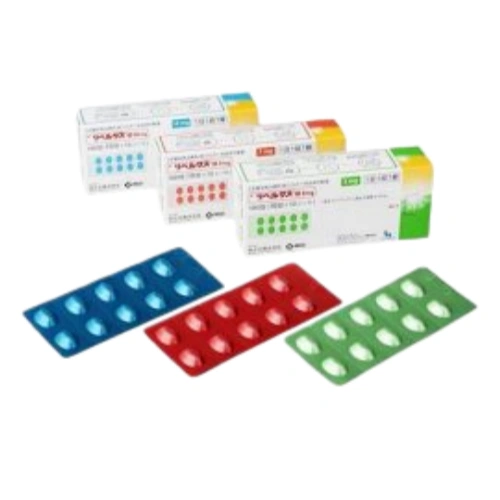
Semaglutide tablets help regulate blood sugar levels by mimicking the action of gastrointestinal hormones. Their primary mechanism of action is to increase insulin secretion and inhibit glucagon release, thereby enhancing the effects of insulin and lowering blood sugar levels. The efficacy of this medication has been proven in clinical practice, as it can effectively control blood sugar without easily causing the side effect of hypoglycemia. Currently, semaglutide tablets are not available on the domestic market. This article provides a detailed explanation of the indications, dosage and administration, side effects, contraindications, and clinical efficacy of semaglutide tablets.
(I) Indications
Semaglutide tablets are indicated as an adjunct to diet and exercise to improve glycemic control in adults with type 2 diabetes.
Usage limitations:
- 1. The safety and efficacy of semaglutide tablets have not been studied in patients with a history of pancreatitis. Consider alternative antidiabetic therapies for patients with a history of pancreatitis.
- 2. Semaglutide tablets are not indicated for patients with type 1 diabetes.
(2) Dosage and Administration
1. Important Administrative Notes
- (1) Instruct patients to take semaglutide tablets at least 30 minutes before their first intake of food, beverages, or other oral medications on that day, taking them with no more than 4 ounces of plain water. Waiting less than 30 minutes, or taking semaglutide tablets with food, beverages (other than plain water), or other oral medications, may reduce the effectiveness of the tablets by decreasing their absorption. Waiting longer than 30 minutes before eating may increase the absorption of semaglutide tablets.
- (2) Swallow the tablet whole. Do not break, crush, or chew the tablet.
2. Recommended Dosage
- (1) Begin treatment with semaglutide tablets at a dose of 3 mg once daily for 30 days. The 3 mg dose is used to initiate treatment but was ineffective in controlling blood glucose levels.
- (2) After taking a 3 mg dose for 30 days, increase the dose to 7 mg once daily.
- (3) If additional blood glucose control is needed after at least 30 days of treatment with a 7 mg dose, the dose may be increased to 14 mg once daily.
- (4) It is not recommended to take two 7-mg semaglutide tablets to achieve a 14-mg dose.
- (5) If you miss a dose, skip the missed dose and take the next dose the following day.
3. Patients switching between semaglutide injection and semaglutide tablets
- (1) Patients currently receiving 14 mg of semaglutide tablets daily may switch to a once-weekly 0.5 mg subcutaneous injection of semaglutide. Patients may begin using the semaglutide injection on the day after their last dose of semaglutide tablets.
- (2) Patients receiving weekly subcutaneous injections of 0.5 mg semaglutide may switch to 7 mg or 14 mg semaglutide tablets. Patients may begin taking semaglutide tablets 7 days after their last semaglutide injection. There is no equivalent tablet dose for the 1 mg semaglutide injection.
(3) Target Audience
Adults, pregnant women, nursing mothers, children, and frail elderly individuals should use it under the guidance of a physician.
(4) Contraindications
- 1. Patients with a personal or family history of medullary thyroid carcinoma (MTC) or multiple endocrine neoplasia type 2 (MEN2).
- 2. A history of a severe allergic reaction to semaglutide or any excipient in semaglutide tablets. Severe hypersensitivity reactions, including anaphylaxis and angioedema, have been reported in patients treated with semaglutide.
(5) Side Effects
The most common adverse reactions (incidence ≥5%) were nausea, abdominal pain, diarrhea, loss of appetite, vomiting, and constipation.
(6) Important Notes
- 1. Risk of Thyroid C-Cell Tumors
Semaglutide tablets are contraindicated in patients with a personal or family history of medullary thyroid carcinoma (MTC) or in patients with Multiple Endocrine Neoplasia syndrome type 2 (MEN2).
(2) Inform patients about the potential risk of medullary thyroid carcinoma (MTC) associated with the use of semaglutide tablets, and advise them of the symptoms of thyroid tumors (e.g., a mass in the neck, dysphagia, dyspnea, persistent hoarseness).
(3) The value of routine monitoring of serum calcitonin levels or the use of thyroid ultrasound for the early detection of medullary thyroid carcinoma (MTC) in patients receiving semaglutide tablets is uncertain.
(4) A significantly elevated serum calcitonin level may indicate medullary thyroid carcinoma (MTC). - 2. Pancreatitis
After starting treatment with semaglutide tablets, carefully monitor patients for signs and symptoms of pancreatitis (including persistent, severe abdominal pain, which may sometimes radiate to the back). If pancreatitis is suspected, discontinue semaglutide tablets and initiate appropriate treatment. - 3. Complications of Diabetic Retinopathy
Rapid improvements in blood glucose control are associated with a temporary worsening of diabetic retinopathy; patients with a history of this condition should monitor the progression of their disease. - 4. Hypoglycemia caused by the concurrent use of insulin secretagogues or insulin
Concomitant use may increase the risk of hypoglycemia; this risk can be reduced by lowering the dose of the secretagogue or insulin. - 5. Acute Kidney Injury
There have been reports of acute kidney injury and worsening chronic kidney failure in patients receiving this treatment; renal function should be monitored when severe gastrointestinal reactions are reported. - 6. Hypersensitivity Reactions
If a severe allergic reaction occurs, discontinue the medication immediately and treat according to standard nursing protocols. - 7. Acute Gallbladder Disease
Acute gallbladder events (such as gallstones or cholecystitis) have been reported during clinical trials and postmarketing; if such events are suspected, further evaluation is warranted.
(7) Treatment Outcomes
A study compared the efficacy of semaglutide tablets with a placebo, empagliflozin, sitagliptin, and liraglutide. Semaglutide tablets are also being studied in patients with type 2 diabetes who have mild to moderate renal impairment.
The trial results are as follows: In patients with type 2 diabetes, compared with placebo, semaglutide tablets resulted in a clinically significant reduction in HbA1c from baseline.
Trial results demonstrate that the efficacy of oral semaglutide is not affected by baseline age, gender, race, ethnicity, body mass index, body weight, duration of diabetes, or degree of renal impairment.
(8) Drug Interactions
- 1. Concomitant use with insulin secretagogues (such as sulfonylureas) or insulin may increase the risk of hypoglycemia; a reduced dose should be considered when initiating treatment.
- 2. Oral medications: Semaglutide tablets may delay gastric emptying, which could affect the absorption of other oral medications. Please strictly follow the dosing instructions.
(9) Storage Conditions
Store at 20°C-25°C; excursions permitted between 15°C-30°C. Store and dispense in the original container.
Store the tablets in their original bottle before use to prevent them from getting damp. Store the product in a dry place, away from moisture.
[Friendly Reminder]:Some product descriptions are updated frequently; please refer to the actual product for details.
[Disclaimer]
- The information regarding medications, treatments, or health management contained in this article is compiled from international authoritative medical journals and official clinical literature, and is intended for general science and educational reference only.
- The indications, side effects, and contraindications of related medications may vary depending on national regulations and individual physical conditions. Do not blindly take medication on your own or change your treatment plan.
- The author and publishing platform assume no legal liability for any medical delays, adverse reactions, or direct or indirect losses caused by the use of the information in this article. All medical decisions should be discussed with your attending physician before being made.
Recent Posts
- Even though you're exhausted, your brain just won't let you sleep? Japan's Taisho 2025 next-generation insomnia medication takes a completely different approach.
- Still Wide Awake at 3 A.M.? Japan’s Next-Generation Sleep Medicine Is Changing the Conversation
- Why Are Americans Paying More? Japan’s Zepbound Is Now Available at a Very Different Price
- Japan's Mounjaro and Zepbound (Weight-Loss Injections) Weight Management Experts
- [Tested] Will TRANSINO Whitening Pills Make You Whiter After 30 Days? Effects, Correct Usage, and Period Changes Shared