
How effective is Japan's Donatedlev? Real user 4-week review: Comprehensive analysis of onset speed, side effects, and purchasing advice
How effective are Mochida Pharmaceutical's Dotinurad tablets in Japan?
New Treatment Options for Gout and Hyperuricemia: 4-Week Uric Acid Reduction Efficacy, Side Effects, and Real User Reviews Analyzed
This report will take an in-depth look at the effects of Donoritr in Japan, including real users’ experiences over a four-week period, how quickly it takes effect, and possible side effects, and will provide purchasing recommendations for your reference.
Through a comprehensive analysis of user feedback, we aim to provide potential consumers with comprehensive information.
➡️ Click to view product details and specifications
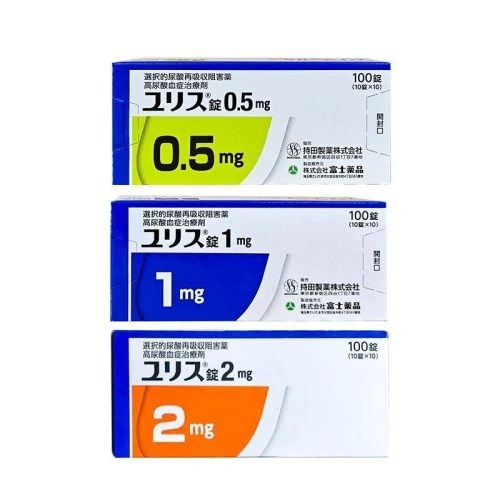
The severe and piercing pain of a gout attack is often excruciating. For patients who have long suffered from hyperuricemia and recurrent gout attacks, finding an efficient and stable uric acid-lowering medication is crucial. In recent years, developed by Japan's Mochida Pharmaceutical,DotinuradHighly anticipated by the medical community and patients alike, this article provides a comprehensive analysis of its mechanism of action, onset speed, side effects, and safe usage guidelines based on the 4-week tracking experience of real users, offering you an objective reference.
What is dotinurad? What is its uric acid-lowering mechanism?
Dotinurad is a new generation ofSelective uric acid reabsorption inhibitor (SURI)Unlike traditional uricosuric drugs, it precisely inhibits the activity of the uric acid transporter 1 (URAT1) in the renal tubules, reducing the reabsorption of uric acid by the kidneys, thereby promoting the smooth excretion of uric acid from the body and effectively lowering serum uric acid concentration.
As a prescription-grade uric acid-lowering medication from an original Japanese manufacturer, Mochida Doturinade is widely used clinically for the long-term control of blood uric acid in patients with gout and hyperuricemia, effectively reducing uric acid crystal deposition and preventing the recurrence of tophi.
02 Real User 4-Week Review: Phased Performance of Uric Acid Decline
Lowering uric acid is a process that requires patience and scientific monitoring. Based on the 4-week daily logs and blood test data from multiple users, its effectiveness shows the following time distribution pattern:
- Week 1 (Acclimatization Period)Most users' blood uric acid begins to show a downward trend. A small number of patients may experience brief, mild joint discomfort or an adaptation period reaction due to rapid fluctuations in uric acid levels. Overall, this needs to be accompanied by drinking plenty of water.
- Week 2 (Initial results)When rechecking blood test indicators, most people can observe a significant drop in blood uric acid levels, and for some mild gout patients, the frequency of attacks and the sensations of redness, swelling, warmth, and pain begin to decrease.
- Week 3 (Steady Improvement): For approximately 30%–50% users, blood uric acid levels have gradually approached or reached the target control range (less than 6.0 mg/dL), and physical discomfort has further decreased.
- Week 4 (Consistent Target Achievement)Nearly half of the users maintained their blood uric acid levels at a relatively stable, low level upon completing their first full monthly evaluation, significantly reducing the risk of gout flare-ups.
ConclusionWhile a clear uric acid-lowering effect can be observed through blood tests in the short term (4 weeks), the complete control of gout and the dissolution of tophi require longer-term regular medication and lifestyle adjustments.
03 User Experience and Common Side Effects
As an oral small-molecule drug, dotinurad offers high daily convenience. However, any potent uric acid-lowering drug may be accompanied by mild side effects:
- Common mild reactionsA few patients may experience mild gastrointestinal discomfort, bloating, or fatigue.
- Acute gout attack (metastatic gout pain)In the early stages of medication (the first few weeks), the rapid decrease in blood uric acid concentration may cause crystals within the joints to loosen and shed, triggering a temporary acute gout attack. This is a normal pharmacological phenomenon, and doctors usually recommend the short-term concurrent use of colchicine or nonsteroidal anti-inflammatory drugs (NSAIDs) for prevention.
- Rare allergic reactionIf severe allergic symptoms such as generalized rash, hives, or difficulty breathing occur, stop the medication immediately and seek emergency medical attention.
⚠️ Important NoticePatients with gout and hyperuricemia who have chronic kidney disease, abnormal liver function, or are currently pregnant or breastfeeding must consult a professional physician or pharmacist before use, and must not take medication blindly on their own.
04 Safety and Procurement Precautions
- Follow medical advice and attend regular check-ups.Uric acid-lowering medications must be taken strictly according to the package insert or doctor's instructions. Avoid arbitrarily adjusting the dosage or suddenly stopping the medication on your own to prevent a rebound in blood uric acid levels. It is recommended to regularly test blood uric acid as well as liver and kidney function every month.
- Prefer official channelsSince dotinurad is a professional prescription-grade medication, it should ideally be obtained through regular pharmacies or reputable cross-border medical platforms when purchasing. Verify the product batch number, anti-counterfeiting label, and expiration date to avoid buying counterfeit or inferior products of unknown origin.
- Beware of price trapsIf you encounter products with prices far below market value, they are very likely counterfeit or near-expiration goods; do not risk your health for a cheap bargain.
Summarize
Mochida Pharmaceutical's Dotinurad from Japan has demonstrated excellent clinical potential in lowering serum uric acid and controlling gout flares, with most users seeing significant indicator improvements within 4 weeks. However, drug therapy must be combined with a low-purine diet and adequate water intake. Safe use under the guidance of a professional physician and regular monitoring of various body indicators are recommended to truly bid farewell to gout troubles and embrace a healthy and light quality of life.
[Disclaimer]
- The information regarding medications, treatments, or health management contained in this article is compiled from international authoritative medical journals and official clinical literature, and is intended for general science and educational reference only.
- The indications, side effects, and contraindications of related medications may vary depending on national regulations and individual physical conditions. Do not blindly take medication on your own or change your treatment plan.
- The author and publishing platform assume no legal liability for any medical delays, adverse reactions, or direct or indirect losses caused by the use of the information in this article. All medical decisions should be discussed with your attending physician before being made.
Recent Posts
- Even though you're exhausted, your brain just won't let you sleep? Japan's Taisho 2025 next-generation insomnia medication takes a completely different approach.
- Still Wide Awake at 3 A.M.? Japan’s Next-Generation Sleep Medicine Is Changing the Conversation
- Why Are Americans Paying More? Japan’s Zepbound Is Now Available at a Very Different Price
- Japan's Mounjaro and Zepbound (Weight-Loss Injections) Weight Management Experts
- [Tested] Will TRANSINO Whitening Pills Make You Whiter After 30 Days? Effects, Correct Usage, and Period Changes Shared