
Difference between the Japanese versions of Zepbound and Mounjaro: Be your own weight management coach
The Japanese versions of Zepbound and Mounjaro are two different weight management medications, each with its own unique mechanism of action and effects. Understanding the differences between the two can help individuals choose the weight management plan that best suits their needs.
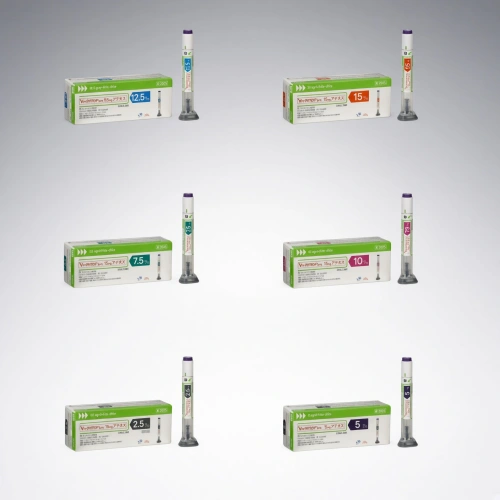
➡️ Click here for product details on the Japanese version of Zepbound
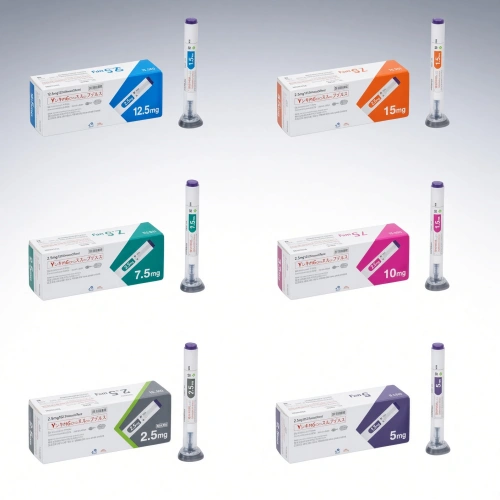
➡️ Click here for product details on the Japanese version of Mounjaro
In-Depth Analysis: What's the Difference Between Mounjaro and Zepbound? A Complete Comparison Guide to Efficacy, Uses, and Side Effects
The "slimming injection" is one of the most popular weight-loss medications available today, and understanding its characteristics and how to use it is crucial for weight management.
Article Summary: Are you considering Mounjaro or Zepbound? Both of these popular medications from Eli Lilly contain tirzepatide. This article provides a detailed analysis of their differences in indications, weight loss effectiveness, side effects, and health insurance coverage requirements to help you make an informed decision.
What Is Tirzepatide? The Common Core of the Two Drugs
Mounjaro 與 Zepbound These are all innovative drugs manufactured by the well-known pharmaceutical company Eli Lilly; their active ingredients are identical, and they are all Tirzepatide。
This is a revolutionary dual receptor agonist (GIP/GLP-1 Receptor Agonists), whose mechanism of action includes:
- Stimulating insulin secretion: When blood sugar levels rise, it automatically adjusts and stimulates insulin release.
- Inhibition of glucagon: Reduce the liver's excessive secretion of glucagon.
- Delayed gastric emptying: Increases feelings of fullness and helps stabilize blood sugar levels after meals.
- Appetite Suppression: Reduces feelings of hunger through the central nervous system.
Although they have the same ingredients, they differ in FDA-Approved Indications 與 Clinical Applications There is a key difference here.
Comparison Table of Key Differences Between Mounjaro and Zepbound
| Comparison items | Mounjaro | Zepbound |
|---|---|---|
| Active Ingredients | Tirzepatide | Tirzepatide |
| Major FDA Indications | Management of Type 2 Diabetes, Reduction of Cardiovascular Risk, etc. | Chronic weight management (obesity or overweight with comorbidities), moderate-to-severe obstructive sleep apnea (OSA) |
| Average Weight Loss Results | Significant (usually as an added benefit of diabetes treatment) | Up to 22.51 TP3T (based specifically on clinical trial data for weight loss) |
| Route of Administration | Once-weekly subcutaneous injection (pen or single-dose vial) | Once-weekly subcutaneous injection (pen or single-dose vial) |
| Insurance/Health Insurance Coverage Trends | Typically, there is a preference for medical coverage for diabetes | Depending on the weight loss or sleep apnea program (claims are subject to stricter review) |
1. Differences Between Indications and Approved Uses
- Mounjaro: It was originally intended for medical treatmentType 2 Diabetes...and was developed. Although it demonstrated excellent weight-loss results during the process, its official indication is primarily to improve blood glucose control.
- Zepbound: is specifically approved by the FDA for use inChronic Weight Management. It is indicated for adults with obesity (BMI ≥ 30) or those who are overweight (BMI ≥ 27) and have at least one weight-related comorbidity (such as hypertension or high cholesterol); it has also recently been approved for the treatment of moderate-to-severe obstructive sleep apnea (OSA) in patients with obesity.
2. Weight Loss Results and Dose Adjustments
Which one is more effective for weight loss?
Both use the same active ingredient, and when the dose is increased to the maximum (15 milligrams), clinical trials have shown exceptionally strong weight loss results for both. Clinical data indicate that tizepatide is currently one of the most effective weight-loss options among GLP-1/GIP drugs, with an average weight loss of up to 22.5%.
Dosage and Administration
- Frequency of administration: Both areOnce a weekSubcutaneous injection.
- Dose escalation: Usually starting with the initial dose 2.5 mg Initially, if necessary and provided the medication is well tolerated, the dose may be gradually increased in 2.5 mg increments at intervals of at least 4 weeks, up to a maximum dose of 15 mg Once a week.
3. Common Side Effects and Precautions for Use
Since both contain the same ingredients, their side effects and risks are highly similar:
- Gastrointestinal reactions (most common):
- Nausea (incidence ranging from approximately 12% to 22%)
- Diarrhea (12% to 16%)
- Vomiting (6% to 13%)
- Constipation (6% to 9%)
- Stomach Pain (8% to 11%)
- Contraindications and Warnings:
- Not applicable toPeople with type 1 diabetes.
- If there isPancreatitisPatients with a history of this condition should use this medication with caution and undergo regular medical monitoring.
- Never share your insulin pen with anyone else.
Frequently Asked Questions (FAQ)
Q1: Can Mounjaro and Zepbound be used together?
Answer: No. Although both contain the active ingredient tizepatide, they differ in packaging, approved indications, and insurance billing guidelines. Never substitute or mix these medications on your own without consulting a healthcare professional.
Q2: Why didn't I lose weight at first when I started using Mounjaro / Zepbound?
Answer: It takes time for the body to adjust and for the dose to be gradually increased. Typically, it is necessary to go through 8 to 12 weeks Significant weight changes (such as a weight loss of 6% to 8%) can only be observed during the dose-escalation phase. At the same time, it is crucial to combine this with a healthy diet (high in fiber and high-quality protein) and regular exercise.
Medical Disclaimer: The content of this article is provided for health education purposes only and does not constitute any medical diagnosis or treatment advice. If you have questions regarding medication use, dosage adjustments, or indications, please be sure to consult your treating physician or a healthcare professional.
[Disclaimer]
- The information regarding medications, treatments, or health management contained in this article is compiled from international authoritative medical journals and official clinical literature, and is intended for general science and educational reference only.
- The indications, side effects, and contraindications of related medications may vary depending on national regulations and individual physical conditions. Do not blindly take medication on your own or change your treatment plan.
- The author and publishing platform assume no legal liability for any medical delays, adverse reactions, or direct or indirect losses caused by the use of the information in this article. All medical decisions should be discussed with your attending physician before being made.
Recent Posts
- Even though you're exhausted, your brain just won't let you sleep? Japan's Taisho 2025 next-generation insomnia medication takes a completely different approach.
- Still Wide Awake at 3 A.M.? Japan’s Next-Generation Sleep Medicine Is Changing the Conversation
- Why Are Americans Paying More? Japan’s Zepbound Is Now Available at a Very Different Price
- Japan's Mounjaro and Zepbound (Weight-Loss Injections) Weight Management Experts
- [Tested] Will TRANSINO Whitening Pills Make You Whiter After 30 Days? Effects, Correct Usage, and Period Changes Shared