
In-depth Analysis of GLP-1 Weight Loss Injections: Gut Hormones, Mounjaro's Dual Mechanism, Side Effects, and Medication Thresholds
The human body naturally secretes GLP-1 to regulate appetite. This article explains the dual mechanism of action and side effects of GLP-1 weight-loss medications, including Mounjaro (tirzopentide), and includes a BMI self-assessment guide.This medication is prescription-only; be sure to consult a licensed physician for more information.
GLP-1 weight-loss injections are an innovative therapy based on gut hormones; their mechanism of action includes influencing appetite and promoting insulin secretion.
As a representative of dual-action products, Mounjaro not only effectively aids in weight loss but also requires careful consideration of the user’s health status to avoid potential side effects.
Mounjaro / Mounjaro / Skinny Pen / Tirzepatide / Tirzepatide / Zepbound
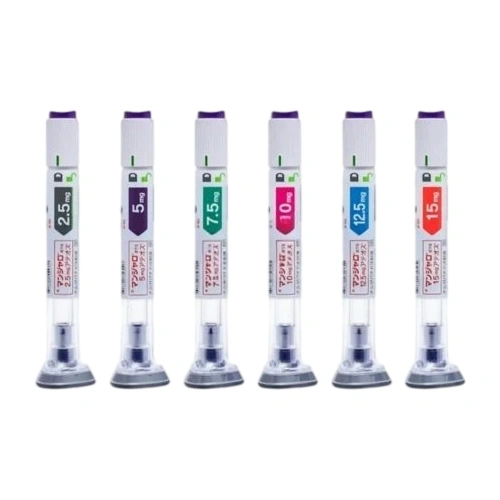
When it comes to weight loss pills and injections, the first question on many people's minds is: "Will taking injections or pills be very harmful to the body?"
In fact, GLP-1 is not a foreign chemically synthesized substance, but a hormone secreted by our own intestines. Whenever we eat, intestinal cells release GLP-1, sending a "I am full" signal to the brain while simultaneously participating in the regulation of blood sugar in the body.
However, naturally occurring GLP-1 in the human body is broken down by enzymes within just a few minutes of entering the bloodstream, resulting in a very short duration of action. The core principle of the GLP-1 receptor agonists used in modern medicine issimulate and strengthen this innate bodily mechanism, extending the duration of hormone action through structural modification of the drug to maintain a longer-lasting feeling of fullness and stabilize appetite.
In other words, GLP-1 weight loss does not create slimming effects out of thin air, but rather regulates according to the body's own metabolic system. Understanding this may reduce the public's psychological resistance to "weight-loss injections and weight-loss drugs." Below, starting with the pharmacological mechanism, we will completely break down knowledge related to GLP-1.
Detailed Explanation of GLP-1 Mechanism of Action: How Does It Make the Body Automatically "Eat Less"?
GLP-1, full name glucagon-like peptide-1, is a type of "incretin," specifically referring to a hormone secreted by the gut after eating that is responsible for transmitting metabolic signals. Many medical literatures also directly refer to it as GLP-1 incretin.
GLP-1 receptor agonists can help with weight management, primarily working simultaneously through four major pathways:
- slow down gastric emptyingThe rhythm of food moving from the stomach into the intestines slows down, the feeling of fullness lasts longer, and it is not easy to feel strong hunger between meals.
- Acts on the appetite center of the hypothalamusGLP-1 receptors are also distributed in the brain. After the drugs activate these receptors, they can suppress appetite and reduce the craving for high-calorie foods.
- glucose-dependent insulinotropic secretionIt only stimulates insulin release when blood glucose rises, and when used alone, the risk of causing hypoglycemia is relatively low.
- Inhibit glucagon secretionreduces hepatic glucose output to make postprandial blood glucose fluctuations more stable.
The four mechanisms work together, and the ultimate effect is a decrease in food intake and more stable blood sugar fluctuations.
As early as the 1960s, the medical community discovered the "incretin effect": the same amount of glucose taken orally stimulates the secretion of more insulin than intravenous injection. The difference comes from GLP-1 and GIP secreted by the intestines during the eating process. GLP-1 receptor agonists are equivalent to amplifying and prolonging this innate human signal.
Note: The above description refers to the pharmacological effects of the medication itself. Actual weight loss results will be influenced by diet, exercise, and personal constitution. Results vary from person to person and do not constitute a guarantee of efficacy.
What is GIP? What is the difference between it and GLP-1?
GIP (glucose-dependent insulinotropic polypeptide) and GLP-1 belong to the same incretin family and are both secreted by the gut after a meal, but their sources and functional focuses differ:
- Different secretion locationsGIP is secreted by K cells of the duodenum and jejunum; GLP-1 is mainly secreted by L cells of the ileum and colon.
- fat metabolism regulationGIP is involved in adipocyte metabolism, influencing the patterns of fat tissue storage and energy expenditure.
- blood sugar regulation complementGIP can also promote insulin secretion according to blood glucose levels, stabilizing blood sugar alongside GLP-1.
- Appetite, weak gastric emptying effectThe prominent appetite-suppressing and gastric-emptying-slowing effects of GLP-1 are relatively less pronounced in GIP.
Subsequent pharmaceutical research observed that simultaneously activating both the GLP-1 and GIP receptors allows the two signaling pathways to produce a synergistic, additive effect, which is the developmental basis for dual-mechanism weight-loss drugs.
What is Mounjaro? Understanding the dual-receptor weight loss injection
Mounjaro, a dual-mechanism drug registered with the Department of Health in Hong Kong, has the registered Chinese name 滿健樂 and the generic name tirzepatide.
Compared to drugs that target only the GLP-1 single receptor, tirzepatide can simultaneously activate both the GLP-1 and GIP receptors, triggering two sets of incretin metabolic signals at once.
Phase 3 clinical trial SURMOUNT-1, with results published in the authoritative medical journal The New England Journal of Medicine (NEJM) (2022). The participants were adults without diabetes, with an enrollment criterion of BMI ≥ 30, or BMI ≥ 27 with at least one weight-related complication. All participants followed a low-calorie diet and regular exercise. The 72-week clinical data showed:
- In the tirzepatide 15 mg group, average weight loss was approximately 20.91 TP3T
- The 10 mg group had an average weight loss of approximately 19.51 TP3T
- The 5 mg group had an average weight loss of approximately 15.01 TP3T.
- The average weight loss in the placebo group was only 3.1%.
The above is clinical trial data only and does not represent individual medication effects; actual responses vary by individual.
Common side effects and contraindications
The most common side effects of tirzepatide are concentrated in the gastrointestinal tract, including nausea, vomiting, diarrhea, and constipation. Most of these occur during the dose escalation phase and generally gradually subside with continued use. Ongoing medical monitoring is required during the course of treatment.
Individuals with a personal or family history of medullary thyroid carcinoma or multiple endocrine neoplasia type 2 (MEN2) are not suitable for use; those with a history of pancreatitis require careful risk evaluation by a physician. All medication decisions must be made at the discretion of a registered physician.
GLP-1 Drug Formulations: Injectable Weight Loss Drugs vs. Oral Medications
Currently, GLP-1 medications are mainly divided into two dosage forms: injectable and oral, each with different conditions for use:
| pharmaceutical dosage form | How to use |
|---|---|
| injectable (commonly known as weight loss injection, weight loss pen) | Subcutaneous injection, once a week or once a day depending on the type of medication |
| oral dosage form | Take daily, mostly on an empty stomach, with a small amount of water. |
Whether by injection or oral administration, all GLP-1 medications are prescription drugs. Which dosage form is suitable requires a comprehensive evaluation combining personal medical history, lifestyle, and liver and kidney function. This article does not provide any medication advice.
Who is a suitable candidate for GLP-1 medications? Quick BMI self-assessment
You can first use BMI to preliminarily assess your weight status.
BMI = weight (kg) ÷ height (m) ÷ height (m)
Asian BMI reference standards
- 18.5–22.9: Normal weight
- ≥23: Overweight
- ≥25: Classified as obese
Clinically, when considering the prescription of weight-loss medication, the general reference threshold is a BMI ≥ 30, or a BMI ≥ 27 accompanied by weight-related complications such as hypertension or dyslipidemia. Whether it is ultimately suitable must be evaluated in person by a physician.
It is worth noting that BMI can only serve as a reference indicator and cannot reflect fat distribution. Two people with the exact same BMI can have vastly different visceral fat levels, so medication decisions cannot be made based solely on BMI.
Sources and Notes:
The materials cited in this article include:
1. Jastreboff AM, et al. Tirzepatide Once Weekly for the Treatment of Obesity (SURMOUNT-1 Phase 3 Trial), New England Journal of Medicine, 2022.
2. Medical literature related to the incretin effect and the pharmacological mechanisms of GLP-1/GIP (including the incretin effect established by oral and intravenous glucose experiments in the 1960s, as well as registration data for GLP-1 receptor agonists, oral and injectable formulations).
[Disclaimer]
- The information regarding medications, treatments, or health management contained in this article is compiled from international authoritative medical journals and official clinical literature, and is intended for general science and educational reference only.
- The indications, side effects, and contraindications of related medications may vary depending on national regulations and individual physical conditions. Do not blindly take medication on your own or change your treatment plan.
- The author and publishing platform assume no legal liability for any medical delays, adverse reactions, or direct or indirect losses caused by the use of the information in this article. All medical decisions should be discussed with your attending physician before being made.
Recent Posts
- Even though you're exhausted, your brain just won't let you sleep? Japan's Taisho 2025 next-generation insomnia medication takes a completely different approach.
- Still Wide Awake at 3 A.M.? Japan’s Next-Generation Sleep Medicine Is Changing the Conversation
- Why Are Americans Paying More? Japan’s Zepbound Is Now Available at a Very Different Price
- Japan's Mounjaro and Zepbound (Weight-Loss Injections) Weight Management Experts
- [Tested] Will TRANSINO Whitening Pills Make You Whiter After 30 Days? Effects, Correct Usage, and Period Changes Shared