
Mounjaro (Tirzepatide) Instructions - Price - Indications - Adverse Reactions and Precautions
On May 13, 2022, the U.S. Food and Drug Administration (FDA) approved Eli Lilly's once-weekly dual GIP and GLP-1 receptor agonist Mounjaro (tirzepatide) injection as an adjunct to diet and exercise to improve glycemic control in adults with type 2 diabetes.
Notably, this is the first once-weekly dual glucose-dependent insulinotropic polypeptide (GIP) and glucagon-like peptide-1 (GLP-1) receptor agonist, representing the first new class of glucose-lowering medications approved in nearly a decade. Mounjaro integrates the actions of both incretins into a single molecule. It enhances first- and second-phase insulin secretion in a glucose-dependent manner and lowers glucagon levels.
[Manufacturer] Eli Lilly
[Specifications] 0.5 mL injection; 2.5 mg, 5 mg, 7.5 mg, 10 mg, 12.5 mg, 15 mg
[Trademark] Mounjaro
【Generic Name】Tirzepatide
Storage
Store Mounjaro in a refrigerator between 2°C and 8°C.
2. If necessary, each single-dose pen can be stored without refrigeration at a temperature not exceeding 30°C for up to 21 days.
3. Do not freeze Mounjaro. Do not use Mounjaro if it has been frozen.
4. Store Mounjaro in its original carton, protected from light.
Mounjaro (Tirzepatide) Indications
Mounjaro can be used as an adjunct to diet and exercise to improve glycemic control in adults with type 2 diabetes.
2. Usage Restrictions: Mounjaro has not been studied in patients with a history of pancreatitis; Mounjaro is not indicated for use in patients with type 1 diabetes.
Mounjaro (Tirzepatide) Recommended Dosage and Administration
I. Recommended Dosage
1. The recommended starting dose for Mounjaro is 2.5 mg injected subcutaneously once weekly. The 2.5 mg dose is for treatment initiation and not for glycemic control.
4 weeks later, increase the dose to 5mg, injected subcutaneously once a week.
3. If additional glycemic control is required, increase the dose in 2.5 mg increments after at least 4 weeks at the current dose.
4. The maximum dose of Mounjaro is 15mg, administered by subcutaneous injection once weekly.
5. If a dose is missed, instruct the patient to take Mounjaro as soon as possible within 4 days (96 hours) of the missed dose. If more than 4 days have passed, skip the missed dose and take the next dose on the regularly scheduled day, then resume their regular once-weekly dosing schedule.
6. If necessary, the day of weekly administration can be changed, as long as there is at least 3 days (72 hours) between administrations.
II. How to Use
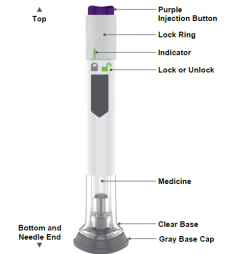
Prepare to inject Mounjaro
1. Take the injection pen out of the refrigerator.
2. Do not remove the gray base cap before preparing the injection.
Check the pen's label to ensure the correct medication and dosage, and that it is not expired.
4. Check the injection pen for damage.
5. Ensure medication: not frozen, not cloudy, colorless to slightly yellowish, no particles.
Wash your hands.
Step 1: Choose an injection site
Your doctor can help you choose the best injection site for you. You can inject the medication into your abdomen or thigh. You can also have someone else inject it for you into the back of your upper arm. Rotate your injection sites weekly. You can inject into the same area, but be sure to choose a different spot within that area.
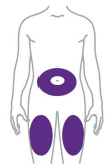
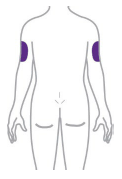
Step 2: Pull down the gray base
Ensure the pen is locked before applying the clear primer to your skin and preparing for injection. Pull off the gray base cap and discard it in the trash. Do not reattach the gray base cap, as this may damage the needle. Do not touch the needle.
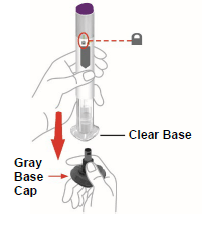
Step 3: Apply the clear base coat to your skin, then unlock.
Place the transparent base flat on the skin at the injection site and turn the locking ring to unlock.
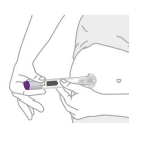
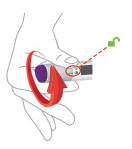
Step 4: Press and hold for 10 seconds
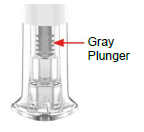
Press and hold the purple injection button for up to 10 seconds. Listen for the sounds: The first sound indicates the injection has started, and the second sound indicates the injection is complete. When the gray plunger is visible, the injection is complete. After injection, place the used pen in a sharps container.
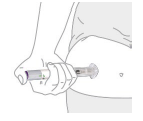
Frequently Asked Questions:
1. What should I do if I see bubbles in the pen? It is normal to see bubbles.
2. What if my pen is not at room temperature? There is no need to warm the pen to room temperature.
3. What happens if I unlock the pen, press the purple injection button, and then remove the gray base cap? Do not remove the gray base cap. Discard the injection pen and get a new one.
4. What if there's a drop of liquid on the needle tip when I remove the gray base cap? A drop of liquid on the needle tip is normal. Do not touch the needle tip.
5. Do I need to hold down the injection button until the injection is complete? This is not necessary, but it can help you keep the pen steady.
6. During injection, I heard more than 2 clicks - 2 loud clicks and 1 soft click. Am I finished injecting? Some people may hear a soft click before the second loud click. This is normal, and you should not remove the pen from your skin until you hear the second loud click.
7. I'm not sure if my pen is working properly. Check if you have received an injection. If the gray piston is visible, it means your dose was delivered correctly.
8. What if there is a drop of liquid or blood on the skin after injection? This is normal. Press a cotton ball or gauze pad on the injection site. Do not rub the injection site.
Precautions for Medication Use
Use Mounjaro once weekly, at any time of day, with or without meals.
2. Inject Mounjaro under the skin of the abdomen, thigh, or upper arm.
Rotate injection sites with each injection.
4. Visually inspect Mounjaro before injection; it should be clear and colorless to slightly yellow. Do not use Mounjaro if you see particulate matter or discoloration.
5. When Mounjaro is used with insulin, inject them separately. Never mix them. It is okay to inject Mounjaro and insulin in the same body area, but do not inject them too close to each other.
IV. Overdosing
If overdose occurs, contact the Poison Control Center for the most up-to-date information. Appropriate supportive care should be initiated based on the patient's clinical signs and symptoms. Considering Tirzepatide's half-life is approximately 5 days, observation and treatment of these symptoms may be necessary for a period of time.
【Warnings and Precautions for Mounjaro (Tirzepatide)】
1. Risk of thyroid C-cell tumors
In a 2-year clinical relevance plasma exposure study, Tirzepatide caused an increase in the incidence of thyroid C-cell tumors (adenomas and carcinomas) in male and female rats in a dose- and duration-dependent manner. It is unknown whether Mounjaro causes thyroid C-cell tumors in humans, including medullary thyroid carcinoma (MTC), as the relevance of rodent thyroid C-cell tumors induced by Tirzepatide to humans has not been determined. Mounjaro is contraindicated in patients with a personal or family history of MTC or with Multiple Endocrine Neoplasia syndrome type 2. Inform patients of the potential risk of MTC with the use of Mounjaro and instruct them to report any symptoms of thyroid tumors such as a lump in the neck, difficulty swallowing, difficulty breathing, or hoarseness. The usefulness of routine monitoring of serum calcitonin or thyroid ultrasound for early detection of MTC in patients treated with Mounjaro is uncertain. Such monitoring may increase the risk of unnecessary procedures due to the low specificity of serum calcitonin and high background incidence of thyroid disease. Significantly elevated serum calcitonin levels may suggest MTC and are typically > 50 ng/L in patients with MTC. Patients should be further evaluated if serum calcitonin is measured and found to be elevated, as should patients with a thyroid nodule found on physical examination or neck imaging.
Pancreatitis
Acute pancreatitis, including fatal and non-fatal hemorrhagic or necrotizing pancreatitis, has been observed in patients treated with GLP-1 receptor agonists. In clinical studies, 14 events of acute pancreatitis were adjudicated as confirmed in 13 patients treated with Mounjaro, while 3 events occurred in 3 patients treated with control. Mounjaro has not been studied in patients with a history of pancreatitis. It is unknown whether patients with a history of pancreatitis are at increased risk for pancreatitis with Mounjaro. Carefully observe patients for signs and symptoms of pancreatitis (including persistent, severe abdominal pain, sometimes radiating to the back, with or without vomiting) after initiating Mounjaro treatment. If pancreatitis is suspected, discontinue Mounjaro and institute appropriate management.
Hypoglycemia associated with the use of insulin secretagogues or insulin
Patients receiving Mounjaro in combination with incretin secretagogues (such as sulfonylureas) or insulin may be at increased risk of hypoglycemia, including severe hypoglycemia. The risk of hypoglycemia can be reduced by decreasing the dose of the sulfonylurea (or other concomitantly administered incretin secretagogues) or insulin. Inform patients using these combination medications of the risk of hypoglycemia and of its signs and symptoms.
4. Allergic reaction
Allergic reactions (such as hives and eczema) have been reported with Mounjaro in clinical trials. If an allergic reaction occurs, stop using Mounjaro, seek prompt medical attention, and monitor until signs and symptoms resolve. Do not use in patients with a history of severe hypersensitivity to tirzepatide or any of the excipients in Mounjaro. Allergic reactions and angioedema have been reported with GLP-1 receptor agonists. Use with caution in patients with a history of angioedema or hypersensitivity to GLP-1 receptor agonists, as it is unknown if such patients are predisposed to Mounjaro hypersensitivity reactions.
5. Acute Kidney Injury
Mounjaro is associated with gastrointestinal adverse reactions, including nausea, vomiting, and diarrhea. These events may lead to dehydration, and in severe cases, acute kidney injury. Postmarketing reports of acute kidney injury and worsening chronic kidney failure, sometimes requiring hemodialysis, have been observed in patients treated with GLP-1 receptor agonists. Some of these events have been reported in patients without known underlying kidney disease. Most of the events reported occurred in patients who experienced nausea, vomiting, diarrhea, or dehydration. Monitor renal function when initiating or escalating Mounjaro doses in patients with renal impairment who report severe gastrointestinal adverse reactions.
6. Severe gastrointestinal disorders
The use of Mounjaro is associated with gastrointestinal adverse reactions, which can sometimes be severe. Mounjaro has not been studied in patients with severe gastrointestinal conditions, including severe gastroparesis, and therefore is not recommended in these patients.
7. Diabetic retinopathy complications in patients with a history of diabetic retinopathy
Rapid improvements in glycemic control have been associated with a temporary worsening of diabetic retinopathy. Mounjaro has not been studied in patients with non-proliferative diabetic retinopathy, proliferative diabetic retinopathy, or diabetic macular edema requiring acute therapy. Patients with a history of diabetic retinopathy should monitor for progression of diabetic retinopathy.
8. Acute Cholecystitis
Acute episodes of gallbladder disease, such as gallstones or cholecystitis, have been reported in clinical trials and postmarketing experience with GLP-1 receptor agonists.In the placebo-controlled clinical trial of Mounjaro, 0.61 TP3T of patients treated with Mounjaro and 0.1 TP3T of patients treated with placebo reported acute gallbladder disease (gallstones, biliary colic, and cholecystectomy).If gallstones are suspected, diagnostic gallbladder studies and appropriate clinical follow-up are required.
Mounjaro (Tirzepatide) Contraindications
Patients with a personal or family history of medullary thyroid carcinoma (MTC) or who have multiple endocrine neoplasia type 2 (MEN 2).
2. Known history of severe hypersensitivity to any excipient in Tirzepatide or Mounjaro.
Mounjaro (Tirzepatide) Drug Interactions
1. Used concurrently with insulin secretagogues (e.g., sulfonylureas) or insulin
When starting Mounjaro, consider reducing the dose of concurrently administered insulin secretagogues (such as sulfonylureas) or insulin to lower the risk of hypoglycemia.
Oral medication
Mounjaro delays gastric emptying, therefore, the absorption of orally administered drugs that are taken at the same time may be affected. Caution should be exercised when oral medications are taken with Mounjaro. This is especially true for patients who monitor oral medications with efficacy thresholds concentrations and for patients with a narrow therapeutic index (e.g., warfarin) when co-administered with Mounjaro. Patients using oral hormonal contraceptives are advised to switch to a non-oral contraceptive method or to use an additional barrier contraceptive method for 4 weeks after initiation and for 4 weeks after each dose increase. Non-oral hormonal contraceptives are not expected to be affected.
Mounjaro (Tirzepatide) Adverse Reactions
Mounjaro may cause serious side effects, including:
1. Possible thyroid tumors, including cancer. Tell your doctor if you have a lump or swelling in your neck, hoarseness, trouble swallowing, or shortness of breath. These may be symptoms of thyroid cancer. In studies in mice, Mounjaro and medicines like it caused thyroid tumors, including thyroid cancer. It is not known if Mounjaro will cause thyroid tumors or a type of thyroid cancer called medullary thyroid carcinoma (MTC). Do not take Mounjaro if you or any member of your family have ever had a type of thyroid cancer called medullary thyroid carcinoma (MTC), or if you have a condition called multiple endocrine neoplasia syndrome type 2 (MEN 2).
2. Pancreatitis: Stop using Mounjaro and seek medical attention immediately if you have persistent stomach (abdominal) pain, with or without vomiting.
3. Hypoglycemia: Your risk of hypoglycemia may be higher if you use Mounjaro with another medication that can cause hypoglycemia (such as a sulfonylurea or insulin). Signs and symptoms of hypoglycemia may include: dizziness; blurred vision; anxiety, irritability, or mood changes; sweating; slurred speech; hunger; confusion or sleepiness; trembling; weakness; headache; rapid heartbeat; feeling nervous.
4. Allergic reactions: If you have any symptoms of a serious allergic reaction, stop using Mounjaro and seek medical attention. These symptoms include: swelling of your face, lips, tongue, or throat; trouble breathing or swallowing; severe rash or itching; fainting or dizziness; fast heart rate.
5. Kidney Problems: For people with kidney problems, diarrhea, nausea, and vomiting can lead to fluid loss (dehydration), which can worsen kidney problems. It is important to drink fluids to reduce the possibility of dehydration.
6. Severe stomach problems: Mounjaro has been reported to cause stomach problems, sometimes severe. If your stomach problems are severe, tell your doctor.
7. Vision changes: If you experience vision changes during Mounjaro treatment, tell your doctor.
8. Gallbladder problems: Some people using Mounjaro have experienced gallbladder problems. If you have symptoms of gallbladder problems, tell your doctor right away. These symptoms may include: pain in the upper abdomen; fever; yellowing of the skin or eyes (jaundice); clay-colored stools.
The most common side effects of Mounjaro include: nausea, diarrhea, decreased appetite, vomiting.
[Mounjaro (Tirzepatide) Use in Special Populations]
Pregnancy
There are insufficient available data on the use of Mounjaro in pregnant women to assess the risk of drug-associated major birth defects, miscarriage, or other adverse maternal or fetal outcomes. Poorly controlled gestational diabetes is associated with risks to the mother and fetus. Based on animal reproductive studies, exposure to Mounjaro during pregnancy may pose a risk to the fetus. Mounjaro should be used during pregnancy only if the potential benefit justifies the potential risk to the fetus. Reduced fetal growth and fetal abnormalities were observed in pregnant rats administered at the time of organogenesis at maternal exposures that corresponded to the AUC in rats. These adverse effects on animal embryos/fetuses are consistent with pharmacologic effects on maternal body weight and food consumption.
2. Lactation
There is no data on the presence of Tirzepatide in animal or human milk, the effects on milk fed infants, or the effects on lactation. The benefits of breastfeeding should be considered along with the mother's clinical need for Mounjaro and any potential adverse effects of Mounjaro or the underlying maternal condition on the breastfed infant.
3. Women and men of reproductive potential
Due to delayed gastric emptying, Mounjaro may reduce the efficacy of oral hormonal contraceptives. This delay is maximal after the first dose and decreases over time. Patients using oral hormonal contraceptives are advised to switch to a non-oral contraceptive method or to use an additional barrier contraceptive method during the 4 weeks after initiation and for 4 weeks after each dose increase of Mounjaro.
4. Pediatric Medications
The safety and effectiveness of Mounjaro in pediatric patients (under 18 years of age) have not yet been established.
5. Geriatric Medication
In seven clinical trials, 1,539 (30.1%) patients treated with Mounjaro were 65 years of age or older, and 212 (4.1%) patients treated with Mounjaro had a baseline age of 75 years or older.No overall differences in safety or efficacy were detected between these patients and younger patients; however, the possibility of greater sensitivity in some older adults cannot be ruled out.
6. Renal impairment
It is not recommended for patients with renal impairment to adjust the dose of Mounjaro. No changes in the pharmacokinetics (PK) of tirzepatide were observed in subjects with renal impairment, including end-stage renal disease (ESRD). Monitor renal function when initiating or increasing the dose of Mounjaro in patients with renal impairment who report severe gastrointestinal adverse reactions.
7. Liver dysfunction
It is not recommended for patients with liver dysfunction to adjust the dose of Mounjaro. In a clinical pharmacology study in subjects with varying degrees of liver impairment, no changes in Tirzepatide PK were observed.
[Mounjaro (Tirzepatide) General Description]
Mounjaro (Tirzepatide) injection for subcutaneous use contains Tirzepatide, a once-weekly GIP receptor and GLP-1 receptor agonist. It is a modified peptide of 39 amino acids based on the GIP sequence. At positions 2 and 13, Tirzepatide contains 2 non-natural amino acids (aminoisobutyric acid, Aib), a C-terminal amidation, and a Lys residue at position 20, which is linked via a linker to 1,20-eicosanedioic acid. The molecular weight is 4813.53 Da and the chemical formula is: C 225 H 348 N 48 O 68, with the chemical structure as follows:

Tirzepatide molecular formula
Mounjaro is a clear, colorless to slightly yellow, sterile, preservative-free, subcutaneous injection solution. Each single-dose pen contains 0.5 mL of solution with 2.5 mg, 5 mg, 7.5 mg, 10 mg, 12.5 mg, or 15 mg of Tirzepatide.
Mounjaro (Tirzepatide) Prescription Components
Active ingredient: Tirzepatide
Inactive ingredients: Sodium chloride, disodium phosphate heptahydrate, and water for injection. May contain hydrochloric acid solution and/or sodium hydroxide solution to adjust pH.
Mounjaro (Tirzepatide) Mechanism of Action
Tirzepatide is a GIP receptor and GLP-1 receptor agonist, a 39-amino acid modified peptide with a C20 fatty diacid moiety that binds to albumin and prolongs its half-life. Tirzepatide selectively binds to and activates GIP and GLP-1 receptors, the targets of native GIP and GLP-1. Tirzepatide enhances first- and second-phase insulin secretion and reduces glucagon levels, both in a glucose-dependent manner.
[Mounjaro (Tirzepatide) Patient Information]
1. Before using Mounjaro, tell your doctor about all of your medical conditions, including if you: have or have had problems with your pancreas or kidneys; have serious stomach problems, such as slow emptying of your stomach (gastroparesis) or problems digesting food; have a history of diabetic retinopathy; are pregnant or plan to become pregnant. It is not known if Mounjaro will harm your unborn baby. If you become pregnant while using Mounjaro, tell your doctor. Oral birth control pills may be less effective when taken with Mounjaro. If you take birth control pills, your doctor may recommend another form of birth control during the 4 weeks after you start taking Mounjaro and for 4 weeks after each time you increase your Mounjaro dose. Talk to your doctor about the best method of birth control for you to use when taking Mounjaro. are breastfeeding or plan to breastfeed. It is not known if Mounjaro passes into your breast milk. Talk to your doctor about the best way to feed your baby while using Mounjaro.
Inform your doctor about all the medications you are taking, including prescription and over-the-counter drugs, vitamins, and herbal supplements. Mounjaro may affect the effectiveness of certain medications, and certain medications may affect the effectiveness of Mounjaro.
3. Before using Mounjaro, tell your doctor if you are taking other diabetes medications, including insulin or sulfonylureas, as these may increase your risk of hypoglycemia.
4. Do not use Mounjaro for conditions for which it was not prescribed. Do not give Mounjaro to others, even if they have the same symptoms as you. This could harm them.
What is the purchase price of Mounjaro (Tirzepatide)?
How much does Mounjaro (Tirzepatide) cost specifically? Please contact online customer service.
WhatsApp: +44 7450 180038
WeChat: HKEEMALL
 Chinese
  English